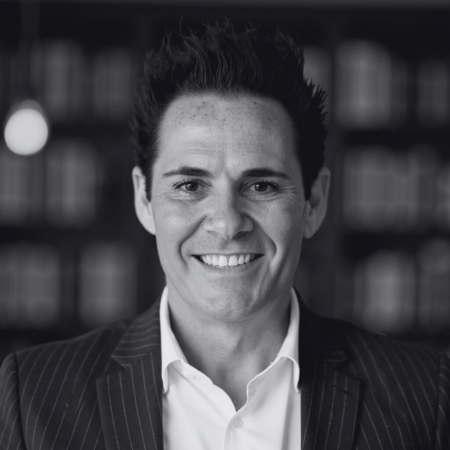
Why Choose
Clinical Hypnotist Mark Anthony for YOUR
Hypnosis Therapy Needs?
* Mark Anthony is certified and a member of
various and appropriate associations.
* Is practising from an established business
address, not from home.
* Has a website with plenty of information on
himself and on hypnosis.
* Has many testimonials and credentials.
* Mark Anthony covers all ailments, including
Stop Smoking, Lose Weight, Stress & Anxiety,
Fears & Phobias plus much much more.
* Is available to answer your personal questions
- Mark is only an email or phone call away.
* Has original names on certifications,
with information on himself readily available.
Based on the Gold Coast, Mark
Anthony's office is privately situated on Level
One of the Capri Commercial Centre, Isle of
Capri, Queensland where Mark Anthony himself,
performs hypnosis therapy to a vast range of
clients for issues including;
* Stop Smoking
* Weight Loss
* Fears & Phobias
* Confidence Building
* Sports Enhancement
* Stress Relief
* Anxiety
* Sexual Issues
* Plus Much Much More
Office
Hours
Mon - Fri: 9.00am - 5.00pm
After Hours: Available
* Consultations are by
appointment only
Level 1, Suite 23 Capri Commercial Centre
Via Roma
ISLE OF CAPRI Q 4217
Click to enlarge
Many people
often ask how many consultations are required to
overcome the ailment that is prohibiting their
lives. Unfortunately the answer isn't as simple
as one, two or three because of the fact that
hypnosis is based around a very individual thing
and whilst everyone can achieve positive results
by using hypnosis - not every person will
respond the same way under hypnosis. This is not
because some people are believers and others are
skeptics, nor the fact you have to be highly
intelligent to be hypnotised - but simply the
fact that we are all individuals and each and
every one of our unconscious minds are different
- like a fingerprint, no two are ever the same.
A general guidance is as follows:
* Fears and phobias can generally be addressed
in one session.
* 89% of clients give up smoking on the first
session, though it can take up to three
sessions. Mark strongly recommends his
Stop Smoking Seminar as appose to an individual
session - the process is the same, however is
only $97.00
* Confidence building, stress, anxiety, and
sexual issues can all take anywhere from one to
three sessions. These ailments are very
individual and affect people differently. It is
recommended to book in for one session as many
people achieve the results they want after
seeing a hypnotist just once. Mark will always
inform you what he recommends for you
personally.
* It is imperative to remember hypnosis is not a
'magic wand' cure and the client must want to
address their ailment because they want to...
not because a family doctor, spouse or partner
is insisting you to.
* A consultation will often take up to two
hours.
It is not uncommon to be nervous before your
hypnosis therapy session and this feeling
generally comes from not knowing what to expect.
The following information will help you overcome
these feelings and give you an idea on what
happens when you arrive to us at Isle of Capri.
* It is imperative you arrive for your
consultation at your nominated time. Don't be
alarmed if you arrive early and the door is
locked. This is to respect the privacy of
clients and to avoid disruptions to their
consultations. The door will always open
approximately five minutes before your session
time.
* Upon arrival you will either be greeted by
Mark personally or by an administrator. She will
ask you to fill out a consultation form. We have
a strict client confidentiality policy and all
information stays with us.
* You must now silence your mobile phone if you
haven't done already.
* You will then be asked to settle your account.
Please note there are no eftpos facilities in
the office however atms are located on the
outside of the Capri Commercial Centre.
* If he hasn't already, Mark will greet and take
you through from the waiting room to the therapy
room. A pre-talk before the actual hypnosis
begins will now take place and you are welcome
to ask Mark any questions or run through any
concerns you may have. It is important to be
100% honest with Mark so he can treat you in the
most effective way possible. Even if you think
it is a trivial piece of information, it may be
just what he needs to know to help you over come
your ailment. It is a good idea to write
important pieces of information down before your
session so you don't forget!
* Once both you and Mark are satisfied and
comfortable the hypnosis will then begin.
You are welcome to have a partner or friend
accompany you to your consultation, however they
will be required to remain in the waiting room
and not physically attend your consultation.
Because silence is required when consultations
are taking place, it is recommended your partner
or friend brings a book or mp3 player with
headphones to keep them occupied. There is a
great coffee shop downstairs as well. It is not
an appropriate place to have infants or young
children.
Many of
Mark's Hypnotherapy clients see him for issues
that they don't really want to share with the
outside world, therefore Mark respects their
wishes by not printing their many letters of
thanks... the following clients have all given
Mark their full consent.
Hi, my name is Steve
Sparrow.
I attended your
seminar on the 12th
of March 2009, loved
it! I was a 40-45
cig's a day and
after 21 years of
smoking, thanks to
you have not had one
since!!!
I thank you very
very much. I
recommend you to
anyone I speak to
regarding quitting
smoking, FOR GOOD.
Once again thank you
very much.
I cannot thank you
enough for helping
me stop smoking! I
have not had a
cigarette since your
seminar on the 12
March 2009. I am
stoked! My family is
stoked! I had been
smoking for 22 years
and was almost up to
a pack a day.
I did have a couple
difficult days, and
when I say
difficult, I was
having problems
coming to terms
(emotionally) with
not smoking.
Physically it was no
problem. I chatted
to you on the phone
and you gave me a
couple reminders,
and I got through
it. I have been in
stressful
situations, I have
been out with
friends, having a
couple drinks, and I
have even had a
house guest who
smokes - none of
these things have
made me have another
cigarette. I am in
the process of
buying a house...
now if that's not
stressful, then what
is? Still, no
problem.
I must say, that I
was a little
sceptical coming to
the seminar, but
felt that I had
nothing to lose... I
was wrong! I lost an
addiction that I
didn't think I
would.
Coming up day 26,
have not felt so
good in as long as I
can remember. Over
35 years of smoking
and am so over it
thanks to your help.
(second time round)
Have been to
numerous social
events with smokers
of all types of
social smoking and
am still clean.
Thank you for helping me quit smoking for the
final time. I was very sceptical about your
seminars as I was always a stubborn person who
would not do something just because I was told
to or because it was expected of me. I walked
out of your seminar and have not had a cigarette
since. You have made me a " happy Joyous non
smoker" and I will forever thank you for this. I
thought I would always smoke and enjoyed
smoking, but it has never been this easy to quit
using the "simply easy method", thanks to you.
I am now healthier, and will live longer because
of your dedication to my health. My sincere
thanks to you and Loranda for all your help and
support. I will continue to recommend you to
others as I truly believe that mind over matter
and hypnosis are very powerful tools for those
that want to quit smoking, and address any other
issues in their lives. I am truly grateful for
gift you have given me.
Thanks for the email, just wanted to let you
know that I will not be attending another as
both my girlfriend and myself haven't had a
smoke since we walked out the door of Southport
Workers Club seminar.
Dear Mark,
My past attempts at 'Quitting Smoking' had
always failed the minute a stressful situation
came up. That was when I would reach for a
cigarette and the addictive cycle would start
all over again.
Now thanks to your wonderful Hypnotherapy
techniques, not only am I a permanent NON
SMOKER, I haven't even come close to wanting a
cigarette during extreme stressful times. thanks
Mark!
Michelle Hunter - Robina, Gold Coast -
Queensland
Hi Loranda,
Thank you VERY much to Mark. I actually had a
buzz about me the whole day. Exhausted by end of
day but energized.
I transferred this expectancy into abseiling
down Kangaroo Pt cliffs at the end of the show
today which was absolutely exhilarating!
Stood at the top of the cliff -freaky but calm
still needed the reinforcement of harnessing and
the anchor ropes.
Still uncertain as I stepped to the edge - but
stepped gingerly over and howled - not barked -
my way to the bottom!
Hi Mark
Sorry I didn't call as you asked me to. I wanted
to see how it worked on me over a couple of
weeks. You have done a great job, gambling never
enters my head these days even though I have
money in in the bank. ... I do feel I can help
other people. I have given your card to a couple
of people so I hope they come to you for help
like I did.
Thanks Again.
Good Morning,
Hope your weekend was as sensational as mine,
thank to you.
On Sunday I went for my first body surf in 14
years, I did not feel that my heart was going to
jump out of my chest, I did not want to run in
fear back to the sand and most importantly I
still have both arms and legs.
I can not thank you enough for this new lease on
life. * and * were ecstatic that I was going in
the water, they were not quite sure of the tears
of joy, but that sooned passed. I booked in for
some surfing lessons, so as not to be out done
by the family (no competition in this family,
ha, ha).
My shoulder has never felt better, I have no
pain relief since Friday. My family, physio and
doctor are insisting that I still go for the
MRI, but that is not until June 30th.
Thank you once again and sorry for crying so
much on Friday.
Dear Mark,
I wish to thank you very much for your help in
alleviating my chronic back pain. As you are
aware I have suffered with this ever increasing
pain for more than 15 years. I have tried a
myriad of treatments from numerous medical
specialists, physiotherapists, chiropractors,
naturopaths and various prescribed medications,
all too limited affect.
I have over twenty years experience in the
nursing/medical profession which is strictly
scientifically structured. Treatments are
usually formed from years of evidence based
research. Until now, I was a skeptic of
Hypnotherapy although having tried every other
form of treatment including four operations I
was willing to try anything. The day after the
first session with you I felt unusually healthy
and my lower back felt normal.
From a scientific viewpoint I do not understand
how the Hypnotherapy works but what I do
understand is I am waking up of a morning
feeling energetic and almost pain free. My wife
has commented that I have changed for the
better?
Once again, thank you very much for your help
and I wish you every success in helping others.
Yours sincerely
Dear Mark,
My past attempts at 'Quitting Smoking' had
always failed the minute a stressful situation
came up. That was when I would reach for a
cigarette and the addictive cycle would start
all over again.
Now thanks to your wonderful Hypnotherapy
techniques, not only am I a permanent NON
SMOKER, I haven't even come close to wanting a
cigarette during extreme stressful times. thanks
Mark!
Dear Mark,
After being Hypnotised by you, I have a newly
found confidence to establish an AFL career, and
I now have so much self confidence that meetings
and work seminars which used to make me so
nervous are now 'no problem' to me at all.
Ever since my Hypnotherapy sessions with you, my
confidence in my abilities have shot through the
roof. I have played the 'BEST' football of my
career so far and getting better and better
every day. I have been given 'Best On Ground'
awards almost every week since. I address my
superiors at meetings without any nerves, and I
have 'complete trust' in my own abilities.
You taught me to Self Hypnotise' which I do
every day, this refreshes, revitalises and gives
me incredible energy within minutes, it's a real
self healing and relaxing experience.
NOTE: Mark also Hypnotised me over the phone and
this is extremely effective for so many reasons.
It is with GREAT PLEASURE that I can recommend
Mark's Hypnotherapy sessions to anybody, thanks
again Mark
Hypnosis
is possibly the most powerful tool in the world
today for implementing many wonderful changes
within a person's life. Hypnosis has been around
for thousands of years and although it has been
seen by many as black magic, the cult, a little
weird, a little wonderful and on many occasions
as very mysterious, the real truth is that all
ailments in our lives can be addressed using
hypnosis!
As a therapy, hypnosis can be used for changing
behaviour, overcoming fears and phobias,
conquering stress and anxiety, breaking bad or
damaging habits, losing weight, personal
development, beating depression, sexual issues,
bed wetting and much more. (inorgasmia,
erections, premature ejaculation)
It is good to note that our autonomic system is
in the unconscious or subconscious mind which we
all trust everyday of our lives to do the most
important things in our body 'automatically'!.
It's the main system which tells our hearts to
beat, our lungs to breathe and our blood to flow
throughout our body.
It's interesting to note that because of this we
don't have to think, which means that we don't
have to use our conscious mind when we think of
things like, "I think that I'd better make my
heart beat now, or I think I'd better take a
breath now!" Fortunately for us this is all
taken care of by our unconscious or subconscious
mind, and what makes it even better is that it's
all done automatically! The unconscious or
subconscious will only do things that are for
'our benefit', so, if a hypnotist make an
inappropriate suggestion of any kind, it would
be rejected by the client.
Example:
'If the Hypnotist asked the client to go to the
local bank and rob it, or if he asked the client
to assassinate the bank manager the client WOULD
NOT do it... the client will only do what he/she
would normally do in a waking state!
Why use Hypnotherapy?
Simply put, "Hypnosis is a focused state of mind
that is achieved by the wilful cooperation of
the recipient with an experienced and certified
hypnotist."
During hypnosis, the subject is able to "zero
in" on the specific areas of the mind through
the 'power of suggestion.' Almost everyone
experiences some type of hypnosis everyday while
daydreaming, watching tv, reading or even while
driving long distances or familiar routes along
the highway.
Hypnosis works because it greatly reduces or
eliminates distractive elements in the immediate
surroundings, (such as noise or motion), and
more importantly...the distractions from our own
random thoughts which are ever-present.
A certified and experienced Hypnotist acts as a
guide while inducing a state of relaxation to a
willing and receptive subject. Once this state
is achieved the unconscious mind accepts the
suggestions.
Hypnosis has proven time after time to work! Why
not let the power of the unconscious mind work
for you and let go of your negative behaviours
completely and forever.
Hypnosis modification works because it utilizes
the unconscious mind (88% brain power) to work
with the conscious mind (12% brain power) for
more mental power for change than ever before.
Emotions and the imagination reside in the
unconscious or subconscious mind. In an
emotional state, we are motivated to proceed in
the direction of what we are imagining. Emotion
is the fuel of the subconscious while
imagination is the language.
Habits by definition are those repetitive
behaviours that we all do "without even thinking
about them." Thinking is a function of the
conscious; everything else is in the unconscious
or subconscious. A Hypnotist can use it to
eliminate such things as bad habits... How? A
habit is usually eliminated by replacing it with
another. Some habits are easier to eliminate
than others and if they are firmly held in the
unconscious or subconscious it may require
finding the causes first and then and removing
them. of us humans go in and out of a trance
state every day and are completely unaware of
it, Hypnosis is a very natural state for the
mind and body.
"You can't experience delicious food by just
reading a menu and you can't experience NLP by
reading about, but having a peak at the menu can
still be fun."
Question - how do you fit an elephant into a
shoebox?
Answer - you can't, it's too big.
NLP is an elephant of a subject and this
web-site only has a shoebox amount of space, so
all we can do is (metaphorically) consider the
elephants toenail.
If someone was good at skiing and you wanted to
ski like them, what would you do? You could find
out what they did that made them a good skier
and then do the things they did. If you could
compare what they did with what a bad skier did
then you would know what to do and what not to
do, you would have a good model of skiing.
You could do the same for driving skills,
selling skills, in fact just about any skills.
This process of finding out what someone does,
and then passing on those skills to someone
else, is called modelling, and NLP is a very
accurate way of modelling.
NLP stands for Neuro-Linguistic Programming -
here's what the name means:
Neuro Meaning nerves and the nervous system
Linguistics The use of language
Neuro-Linguistics The branch of science and
medicine concerned with how the nervous system
influences language and how language influences
the nervous system
Programming Carrying out a planned sequence of
actions to get a pre-planned result
Neuro-Linguistic Programming Using language in a
systematic and pre-determined fashion to
achieved a planned result or outcome.
My interest is in applying NLP, language
techniques and modelling to learning and memory
skills.
In order to model someone's excellence in, say,
mental arithmetic, you would have to be able to
question them about how they do mental
arithmetic. To avoid leading them you would need
very effective communication skills. NLP has at
its core a very effective model of communication
skills.
The challenge in explaining what NLP is, is that
it is a whole field of study and not one single
thing. NLP contains:
1 a whole set of beliefs about how to
communicate with people
2 it uses a well defined model of questioning
and listening skills
3 it borrows heavily from the field of clinical
hypnosis in its approach to influencing skills
and using language and metaphor
4 it incorporates a very effective set of
exercises to help people change their behaviour
(with applications as diverse as helping someone
rid themselves of a phobia to acquiring skills
in using computers)
5 NLP has specific and powerful techniques for
deliberately creating rapport with another
person
6 and it has a long and colourful history
Above all NLP is concerned with how people do
things, not why they do them. If some is having
difficulty learning a computer the NLP approach
is "what are they doing, specifically, to make
it difficult to learn?" rather than "why aren't
they learning?" The result of this is to define
the structure of their behaviour (perhaps they
are becoming physically tense whilst learning
and thus reducing their ability to concentrate)
which allows them to change the structure and
get a better result (they could then
deliberately relax and concentrate better.)
The Beliefs Of NLP
NLP has at its core a set of beliefs about
communicating with other people. These beliefs
were derived by modelling some excellent
communicators (see the History of NLP).
No-one is saying that these beliefs are true,
but if you pretend that they are true, if you
act as though they are true, then you are likely
to communicate more effectively with other
people. Here are some of the beliefs:
The meaning of your communication or behaviour
is the response it gets Remember - this is isn't
"true", but if you "act as though it's true"
you'll get different results. If I explain a
computer programme to someone and they get
confused then my communication was confusing
(regardless of how clear I thought I was being),
I could then explain it again in a different
way. The point is that I take responsibility for
the effect of my communication.
If I took the opposite view (i.e. the meaning of
my communication is whatever I choose it to
mean) then I would be more likely to explain it
once and if they get confused just give up and
say "well it's their fault if they don't
understand".
Every communication or behaviour has a positive
intention No-one's trying to claim, for example,
that violent behaviour is acceptable, but in
terms of our communicating with people it can be
more effective to work on the assumption that
even people who are being difficult, awkward or
stupid are still motivated by some positive
intention. We can then work to find what their
intention is and help them find a more
acceptable way of achieving it.
Everyone has their own unique map of the world
As we go through life we each accumulate our own
unique set of beliefs and memories and ideas and
attitudes. It can be a real challenge sometimes
to believe that other people do not share our
beliefs and sometimes even have beliefs that are
radically different from our own. NLP works on
the basis of acting as though each individuals'
beliefs are absolutely real for that person,
even if they don't seem real to us.
People make their decisions based on their map
not on the world itself NLP acts as if we cannot
experience the world directly but only through
our senses and through our mental "map" of the
world. In this way we base our decisions and
actions on our own unique belief about the world
and not on the world itself.
The map is not the territory This map of the
world on which we base our decisions is not a
wholly and completely accurate map of the real
world, it is only an approximation, and is
likely to be quite limited in some ways. This
can often mean that peoples' decisions and
behaviours can be quite limited.
Memory and imagination use the same neurological
pathways The brain only has one set of nerves
for dealing with information. If someone
imagines what their favourite meal will be like
the brain can't tell the difference between the
imagination and the memory of a real meal - the
two thoughts will have the same effect, i.e. a
watering mouth. In the same way thinking
upsetting but imaginary thoughts (such as "what
would happen if I lost my job") can be just as
distressing as experiencing the same event for
real.
Similarly, thinking happy thoughts has as
powerful effect as actually experiencing a happy
event. (Clinical investigations show that
"positive thinking" causes a fundamental change
in brain chemistry!)
The Model Of Questioning And Listening
The model is based on the idea that we think so
much faster than we can talk and we think many
more thoughts than we can ever speak. When
trying to find out what someone is thinking we
cannot read their thoughts directly, we can only
use their language (both verbal and non-verbal).
But how much is lost in the transition from a
myriad of lightning fast thoughts and memories
to a few mumbled words? If we want to know what
someone is thinking (let's call it the 'deep
structure') we have to start with the clues in
the language they give us (let's call that the
'surface structure') and then ask questions to
fill in the blanks.
When people construct a sentence they will often
(as an unconscious process) delete a lot of
information. Instead of referring to someone in
detail they will use phrases such as "he said"
or "they did". We could then ask "who
specifically?" - thus filling in some of the
missing information.
People also tend to use generalisations -
phrases like "I can never remember 'phone
numbers." The chances are that they can remember
their own number, so the sentence is not
literally true. What we could then do is find
out which examples are they missing out and
which are they concentrating on.
By using this model of questioning, called the
Meta Model, we can help people find out what
assumptions they are making, which examples of
success they are overlooking, which useful bits
of information they have missed out; rather than
just assuming that what someone says is the
whole truth and nothing but the truth.
As with most things in NLP, the Meta Model loses
something in the translation, it's far more
educational to hear it in action!
Influencing Skills And The Artful Use Of
Language
When you read the History of NLP page you'll
recall how the world famous hypnotherapist,
Milton H Erickson MD, was modelled extensively
by Bandler and Grinder (the co-developers of
NLP) to find out how he so successfully
influenced people to help them give up
addictions, repair relationships and improve the
quality of their lives.
Erickson used language in a particularly skilful
way. He used stories and metaphors to get his
message over, he used whatever style was
appropriate to his client rather than using just
one preferred style (which is what many
therapists, counsellors and trainers tend to
do).
Exactly how such language forms are used is
beyond the scope of this introduction.
Exercises To Change Behaviour
These exercises involve different visual and
language exercises to help an individual change
the structure of their experience.
People who are having problems speaking in
public often go through a sequence of mental
actions (each individual may go through a
different sequence but each individual is
consistent):
1. see the audience
2. imagine them staring at me
3. hear them criticising me
4. feel tense and have butterflies in the
stomach
5. call this sensation "fear"
NLP has many exercises to help the individual
re-write this little script, so that it might
then go:
1. see the audience
2. imagine them smiling at me
3. hear them giving me words of encouragement
4. feel tense and have butterflies in the
stomach
5. call this sensation "excitement"
Provided that this sequence is appropriate to
the needs and beliefs of the individual it is
likely to have a much more resourceful result
than running the first script.
Other NLP exercises can help change limiting
beliefs (from "I can't" to "I can"), change the
meaning of past events (from "they ruined my
life" to "they may have caused me pain in the
past but my future is beautiful"), change future
expectations (from "this interview is going to
be horrible" to "this interview might be
challenging") and so on.
The key feature of many of the NLP techniques is
that they are powerful. If someone repeats to
themselves "every day in every way I am getting
better and better", but uses a whining tone of
voice, sags their shoulders, looks down at their
shoes whilst thinking big pictures of failure
then the positive affirmation is not going to
have much effect.
If instead they created powerful images of times
when they have been happy and have dealt
successfully with problems and really felt the
happiness throughout their body and then
deliberately linked this with what they were
planning to do during the day, they are likely
to have a better day and actually get better and
better.
Creating Rapport
Rapport is when two people are "in tune with
each other", or "on the same wavelength", or
"seeing eye to eye".
It's difficult to describe, rapport has to be
experienced. When two people are in rapport then
they are able to communicate with maximum
effectiveness and clarity. There is also no such
thing as "bad rapport".
NLP has a whole collection of methods for
creating rapport, but these have to be
experienced, they cannot be described.
The History Of NLP
Here's my very brief and unofficial history as I
have come to understand it, of what is now
called NLP:
In 1972 a young man named Richard Bandler
enrolled at the University of California at
Santa Cruz. Richard majored in mathematics and
computer science but changed to study his other
interest - behavioural science.
Richard ran various workshops and study groups
on Gestalt Therapy and other forms of therapy.
In his fourth year he had the chance to present
his own seminar as part of his degree course and
this was supervised by John Grinder (pronounced
'Grinnder') who was working to become a
professor. Grinder was a linguist who had
studied the work of Noam Chomsky on the theory
of linguistics.
Bandler and Grinder continued to work together
on their shared interest in Gestalt Therapy.
What was to become NLP grew out of the extrovert
personalities of these two men. Their aim was
simply to find out what worked, what skills and
techniques would help someone overcome a
problem. The idea of the sympathetic therapist
was dropped in favour of the "if it works, use
it - if it doesn't work, try something else"
approach.
Bandler continued to run his increasingly
popular workshops on therapies and then started
working with Grinder to model his (Bandlers')
own skills. Their work on modelling (see
Modelling A Style in the NLP In Training
section) covered Fritz Perls, the originator of
Gestalt Therapy and Vaginia Satir the renowned
family therapist.
The models they developed of Perls' and Satirs'
work lead to the idea of parts. Many people will
use phrases such as "part of me agrees with you
and part of me disagrees", these 'parts' can be
a useful phenomena and tool to work with in
therapy (and later in training, coaching and so
on).
A group of people formed around Bandler and
Grinder and together they explored new
techniques and new skills and started to develop
a collection of approaches and models, a
collection still without a name. This collection
was drawn from their playing with techniques
from all sorts of disciplines, finding what
worked and what didn't work.
One of the models they developed was called the
Meta Model. They would role play having a
problem and the person playing the role of the
therapist would practice specific question forms
to discover the structure of the persons
'problem'.
The Meta Model became such a powerful and useful
tool for helping people solve problems that it
was written up and published around the end of
1974 in the first "NLP" book The Structure Of
Magic. The idea behind the title was that highly
effective communicators seem to be able to
almost work magic, the book describes the
specifics of what they did to create that magic,
it looked at the 'structure' of the magic.
The group continued to work with other
approaches, asking interesting questions, such
as "when someone says 'I see what you mean' are
the actually making pictures?" Thus a structural
correlation was uncovered between the language
someone used and what they were thinking.
It was around this time that the term
Neuro-Linguistic Programming was thought up. (I
still haven't found a definitive explanation as
to who thought up the name and how they thought
of it - although there have been all sorts of
interesting stories!)
A neighbour of Bandler and Grinder was the
English philosopher Gregory Bateson. He
suggested that they study the world renowned
hypnotherapist Milton H Erickson. So Bandler and
Grinder modelled Erickson, they thought about
how he used metaphors and stories to induce
trance and to help people remove life long
phobias and overcome the effects of trauma.
This lead to the development of the Milton
Model, now a key component of NLP, the method of
using language to influence people. By now NLP
comprised the language patterns of the Meta
Model, therapeutic change techniques, modelling
skills, the trance methods of the Milton Model
and others.
Bandler and Grinder continued to run NLP
workshops and other members of the group
continued to apply NLP in new areas. Robert
Dilts applied NLP to the area of health, David
Gordon developed the use of metaphor as a
specific and teachable language skill, Tad James
developed the use of the TimeLine(tm).
From these workshops another book was written -
Frogs Into Princes was the first NLP book for
the layman. It described in non-technical
language the skills and uses of NLP.
NLP has continued to evolve ever since and is
now practiced in nearly every country in the
world. It is applied to sales, training,
coaching, therapy, management and virtually
every endeavour which requires effective
communication (which is to say virtually every
human endeavour).
Fears or Phobias limit our
ability to get the most from
life. In some cases they can
prevent us living even a
relatively normal life...
BUT, in nearly all cases
Fears & Phobias can be
CURED!
What is Fear?
We feel fearful when we
believe we do not have the
ability to cope with
something. This fear may be
grounded in reality, as when
we fear being knocked down
by a car when trying to
cross a busy road. Or the
fear may be irrational as
when we fear a tiny harmless
spider.
Many of our fears are a mix
of reality and
misinterpretation of our
ability to cope. When there
is a large degree of of
misinterpretation it is
likely that it is a phobia
rather than a fear.
What is a Phobia?
The essential ingredient of
a phobia is that it has
significant degree of
irrationality. The person
experiencing the phobic
feelings is usually well
aware that their fear is
irrational but they are
unable to overcome the fear.
Do YOU have a Fear or
Phobia?
Have you had your Fear or
Phobia since you can
remember?
Did you know there are
'hundreds' of different
types of Fears & Phobias?
Have you ever wondered what
life would be like without
YOUR Fear or Phobia?
"Just imagine... being rid
of your Fear or Phobia for
the rest of your life!"
Mark and can usually rid you
of your Fear or Phobia
within 'one single session'!
Fears & Phobias
Ablutophobia- Fear
of washing or
bathing.
Acarophobia- Fear of
itching or of the
insects that cause
itching.
Acerophobia- Fear of
sourness.
Achluophobia- Fear
of darkness.
Acousticophobia-
Fear of noise.
Acrophobia- Fear of
heights.
Aerophobia- Fear of
drafts, air
swallowing, or
airbourne noxious
substances.
Aeroacrophobia- Fear
of open high places.
Aeronausiphobia-
Fear of vomiting
secondary to
airsickness.
Agateophobia- Fear
of insanity.
Agliophobia- Fear of
pain.
Agoraphobia- Fear of
open spaces or of
being in crowded,
public places like
markets. Fear of
leaving a safe
place.
Agraphobia- Fear of
sexual abuse.
Agrizoophobia- Fear
of wild animals.
Agyrophobia- Fear of
streets or crossing
the street.
Aichmophobia- Fear
of needles or
pointed objects.
Ailurophobia- Fear
of cats.
Albuminurophobia-
Fear of kidney
disease.
Alektorophobia- Fear
of chickens.
Algophobia- Fear of
pain.
Alliumphobia- Fear
of garlic.
Allodoxaphobia- Fear
of opinions.
Altophobia- Fear of
heights.
Amathophobia- Fear
of dust.
Amaxophobia- Fear of
riding in a car.
Ambulophobia- Fear
of walking.
Amnesiphobia- Fear
of amnesia.
Amychophobia- Fear
of scratches or
being scratched.
Anablephobia- Fear
of looking up.
Ancraophobia- Fear
of wind.
(Anemophobia)
Androphobia- Fear of
men.
Anemophobia- Fear of
air drafts or
wind.(Ancraophobia)
Anginophobia- Fear
of angina, choking
or narrowness.
Anglophobia- Fear of
England or English
culture, etc.
Angrophobia - Fear
of anger or of
becoming angry.
Ankylophobia- Fear
of immobility of a
joint.
Anthrophobia or
Anthophobia- Fear of
flowers.
Anthropophobia- Fear
of people or
society.
Antlophobia- Fear of
floods.
Anuptaphobia- Fear
of staying single.
Apeirophobia- Fear
of infinity.
Aphenphosmphobia-
Fear of being
touched. (Haphephobia)
Apiphobia- Fear of
bees.
Apotemnophobia- Fear
of persons with
amputations.
Arachibutyrophobia-
Fear of peanut
butter sticking to
the roof of the
mouth.
Arachnephobia or
Arachnophobia- Fear
of spiders.
Arithmophobia- Fear
of numbers.
Arrhenphobia- Fear
of men.
Arsonphobia- Fear of
fire.
Asthenophobia- Fear
of fainting or
weakness.
Astraphobia or
Astrapophobia- Fear
of thunder and
lightning.(Ceraunophobia,
Keraunophobia)
Astrophobia- Fear of
stars or celestial
space.
Asymmetriphobia-
Fear of asymmetrical
things.
Ataxiophobia- Fear
of ataxia. (muscular
incoordination)
Ataxophobia- Fear of
disorder or
untidiness.
Atelophobia- Fear of
imperfection.
Atephobia- Fear of
ruin or ruins.
Athazagoraphobia-
Fear of being
forgotton or ignored
or forgetting.
Atomosophobia- Fear
of atomic
explosions.
Atychiphobia- Fear
of failure.
Aulophobia- Fear of
flutes.
Aurophobia- Fear of
gold.
Auroraphobia- Fear
of Northern lights.
Autodysomophobia-
Fear of one that has
a vile odor.
Automatonophobia-
Fear of
ventriloquist's
dummies, animatronic
creatures, wax
statues - anything
that falsly
represents a
sentient being.
Automysophobia- Fear
of being dirty.
Autophobia- Fear of
being alone or of
oneself.
Aviophobia or
Aviatophobia- Fear
of flying.
Bacillophobia- Fear
of microbes.
Bacteriophobia- Fear
of bacteria.
Ballistophobia- Fear
of missiles or
bullets.
Bolshephobia- Fear
of Bolsheviks.
Barophobia- Fear of
gravity.
Basophobia or
Basiphobia-
Inability to stand.
Fear of walking or
falling.
Bathmophobia- Fear
of stairs or steep
slopes.
Bathophobia- Fear of
depth.
Batophobia- Fear of
heights or being
close to high
buildings.
Batrachophobia- Fear
of amphibians, such
as frogs, newts,
salamanders, etc.
Belonephobia- Fear
of pins and needles.
(Aichmophobia)
Bibliophobia- Fear
of books.
Blennophobia- Fear
of slime.
Bogyphobia- Fear of
bogeys or the
bogeyman.
Botanophobia- Fear
of plants.
Bromidrosiphobia or
Bromidrophobia- Fear
of body smells.
Brontophobia- Fear
of thunder and
lightning.
Bufonophobia- Fear
of toads.
Cacophobia- Fear of
ugliness.
Cainophobia or
Cainotophobia- Fear
of newness, novelty.
Caligynephobia- Fear
of beautiful women.
Cancerophobia or
Carcinophobia- Fear
of cancer.
Cardiophobia- Fear
of the heart.
Carnophobia- Fear of
meat.
Catagelophobia- Fear
of being ridiculed.
Catapedaphobia- Fear
of jumping from high
and low places.
Cathisophobia- Fear
of sitting.
Catoptrophobia- Fear
of mirrors.
Cenophobia or
Centophobia- Fear of
new things or ideas.
Ceraunophobia or
Keraunophobia- Fear
of thunder and
lightning.(Astraphobia,
Astrapophobia)
Chaetophobia- Fear
of hair.
Cheimaphobia or
Cheimatophobia- Fear
of cold.(Frigophobia,
Psychophobia)
Chemophobia- Fear of
chemicals or working
with chemicals.
Cherophobia- Fear of
gaiety.
Chionophobia- Fear
of snow.
Chiraptophobia- Fear
of being touched.
Chirophobia- Fear of
hands.
Cholerophobia- Fear
of anger or the fear
of cholera.
Chorophobia- Fear of
dancing.
Chrometophobia or
Chrematophobia- Fear
of money.
Chromophobia or
Chromatophobia- Fear
of colors.
Chronophobia- Fear
of time.
Chronomentrophobia-
Fear of clocks.
Cibophobia- Fear of
food.(Sitophobia,
Sitiophobia)
Claustrophobia- Fear
of confined spaces.
Cleithrophobia or
Cleisiophobia- Fear
of being locked in
an enclosed place.
Cleptophobia- Fear
of stealing.
Climacophobia- Fear
of stairs, climbing,
or of falling
downstairs.
Clinophobia- Fear of
going to bed.
Clithrophobia or
Cleithrophobia- Fear
of being enclosed.
Cnidophobia- Fear of
stings.
Cometophobia- Fear
of comets.
Coimetrophobia- Fear
of cemeteries.
Coitophobia- Fear of
coitus.
Contreltophobia-
Fear of sexual
abuse.
Coprastasophobia-
Fear of
constipation.
Coprophobia- Fear of
feces.
Coulrophobia- Fear
of clowns.
Counterphobia- The
preference by a
phobic for fearful
situations.
Cremnophobia- Fear
of precipices.
Cryophobia- Fear of
extreme cold, ice or
frost.
Crystallophobia-
Fear of crystals or
glass.
Cyberphobia- Fear of
computers or working
on a computer.
Cyclophobia- Fear of
bicycles.
Cymophobia or
Kymophobia- Fear of
waves or wave like
motions.
Cynophobia- Fear of
dogs or rabies.
Cypridophobia or
Cypriphobia or
Cyprianophobia or
Cyprinophobia - Fear
of prostitutes or
venereal disease.
Decidophobia- Fear
of making decisions.
Defecaloesiophobia-
Fear of painful
bowels movements.
Deipnophobia- Fear
of dining or dinner
conversations.
Dementophobia- Fear
of insanity.
Demonophobia or
Daemonophobia- Fear
of demons.
Demophobia- Fear of
crowds.
(Agoraphobia)
Dendrophobia- Fear
of trees.
Dentophobia- Fear of
dentists.
Dermatophobia- Fear
of skin lesions.
Dermatosiophobia or
Dermatophobia or
Dermatopathophobia-
Fear of skin
disease.
Dextrophobia- Fear
of objects at the
right side of the
body.
Diabetophobia- Fear
of diabetes.
Didaskaleinophobia-
Fear of going to
school.
Dikephobia- Fear of
justice.
Dinophobia- Fear of
dizziness or
whirlpools.
Diplophobia- Fear of
double vision.
Dipsophobia- Fear of
drinking.
Dishabiliophobia-
Fear of undressing
in front of someone.
Domatophobia- Fear
of houses or being
in a
house.(Eicophobia,
Oikophobia)
Doraphobia- Fear of
fur or skins of
animals.
Doxophobia- Fear of
expressing opinions
or of receiving
praise.
Dromophobia- Fear of
crossing streets.
Dutchphobia- Fear of
the Dutch.
Dysmorphophobia-
Fear of deformity.
Dystychiphobia- Fear
of accidents.
Ecclesiophobia- Fear
of church.
Ecophobia- Fear of
home.
Eicophobia- Fear of
home
surroundings.(Domatophobia,
Oikophobia)
Eisoptrophobia- Fear
of mirrors or of
seeing oneself in a
mirror.
Electrophobia- Fear
of electricity.
Eleutherophobia-
Fear of freedom.
Elurophobia- Fear of
cats. (Ailurophobia)
Emetophobia- Fear of
vomiting.
Enetophobia- Fear of
pins.
Enochlophobia- Fear
of crowds.
Enosiophobia or
Enissophobia- Fear
of having committed
an unpardonable sin
or of criticism.
Entomophobia- Fear
of insects.Eosophobia-
Fear of dawn or
daylight.
Ephebiphobia- Fear
of teenagers.
Epistaxiophobia-
Fear of nosebleeds.
Epistemophobia- Fear
of knowledge.
Equinophobia- Fear
of horses.
Eremophobia- Fear of
being oneself or of
lonliness.
Ereuthrophobia- Fear
of blushing.
Ergasiophobia- 1)
Fear of work or
functioning. 2)
Surgeon's fear of
operating.
Ergophobia- Fear of
work.
Erotophobia- Fear of
sexual love or
sexual questions.
Euphobia- Fear of
hearing good news.
Eurotophobia- Fear
of female genitalia.
Erythrophobia or
Erytophobia or
Ereuthophobia- 1)
Fear of redlights.
2) Blushing. 3) Red.
Febriphobia or
Fibriphobia or
Fibriophobia- Fear
of fever.
Felinophobia- Fear
of cats.
(Ailurophobia,
Elurophobia,
Galeophobia,
Gatophobia)
Francophobia- Fear
of France or French
culture. (Gallophobia,
Galiophobia)
Frigophobia- Fear of
cold or cold
things.(Cheimaphobia,
Cheimatophobia,
Psychrophobia)
Galeophobia or
Gatophobia- Fear of
cats.
Gallophobia or
Galiophobia- Fear
France or French
culture. (Francophobia)
Gamophobia- Fear of
marriage.
Geliophobia- Fear of
laughter.
Geniophobia- Fear of
chins.
Genophobia- Fear of
sex.
Genuphobia- Fear of
knees.
Gephyrophobia or
Gephydrophobia or
Gephysrophobia- Fear
of crossing bridges.
Germanophobia- Fear
of Germany or German
culture.
Gerascophobia- Fear
of growing old.
Gerontophobia- Fear
of old people or of
growing old.
Geumaphobia or
Geumophobia- Fear of
taste.
Glossophobia- Fear
of speaking in
public or of trying
to speak.
Gnosiophobia- Fear
of knowledge.
Graphophobia- Fear
of writing or
handwriting.
Gymnophobia- Fear of
nudity.
Gynephobia or
Gynophobia- Fear of
women.
Hadephobia- Fear of
hell.
Hagiophobia- Fear of
saints or holy
things.
Hamartophobia- Fear
of sinning.
Haphephobia or
Haptephobia- Fear of
being touched.
Harpaxophobia- Fear
of being robbed.
Hedonophobia- Fear
of feeling pleasure.
Heliophobia- Fear of
the sun.
Hellenologophobia-
Fear of Greek terms
or complex
scientific
terminology.
Helminthophobia-
Fear of being
infested with worms.
Hemophobia or
Hemaphobia or
Hematophobia- Fear
of blood.
Heresyphobia or
Hereiophobia- Fear
of challenges to
official doctrine or
of radical
deviation.
Herpetophobia- Fear
of reptiles or
creepy, crawly
things.
Heterophobia- Fear
of the opposite sex.
(Sexophobia)
Hierophobia- Fear of
priests or sacred
things.
Hippophobia- Fear of
horses.
Hippopotomonstrosesquippedaliophobia-
Fear of long words.
Hobophobia- Fear of
bums or beggars.
Hodophobia- Fear of
road travel.
Hormephobia- Fear of
shock.
Homichlophobia- Fear
of fog.
Homilophobia- Fear
of sermons.
Hominophobia- Fear
of men.
Homophobia- Fear of
sameness, monotony
or of homosexuality
or of becoming
homosexual.
Hoplophobia- Fear of
firearms.
Hydrargyophobia-
Fear of mercurial
medicines.
Hydrophobia- Fear of
water or of rabies.
Hydrophobophobia-
Fear of rabies.
Hyelophobia or
Hyalophobia- Fear of
glass.
Hygrophobia- Fear of
liquids, dampness,
or moisture.
Hylephobia- Fear of
materialism or the
fear of epilepsy.
Hylophobia- Fear of
forests.
Hypengyophobia or
Hypegiaphobia- Fear
of responsibility.
Hypnophobia- Fear of
sleep or of being
hypnotized.
Hypsiphobia- Fear of
height.
Iatrophobia- Fear of
going to the doctor
or of doctors.
Ichthyophobia- Fear
of fish.
Ideophobia- Fear of
ideas.
Illyngophobia- Fear
of vertigo or
feeling dizzy when
looking down.
Iophobia- Fear of
poison.
Insectophobia - Fear
of insects.
Isolophobia- Fear of
solitude, being
alone.
Isopterophobia- Fear
of termites, insects
that eat wood.
Ithyphallophobia-
Fear of seeing,
thinking about or
having an erect
penis.
Japanophobia- Fear
of Japanese.
Judeophobia- Fear of
Jews.
Kainolophobia or
Kainophobia- Fear of
anything new,
novelty.
Kakorrhaphiophobia-
Fear of failure or
defeat.
Katagelophobia- Fear
of ridicule.
Kathisophobia- Fear
of sitting down.
Kenophobia- Fear of
voids or empty
spaces.
Keraunophobia or
Ceraunophobia- Fear
of thunder and
lightning.(Astraphobia,
Astrapophobia)
Kinetophobia or
Kinesophobia- Fear
of movement or
motion.
Kleptophobia- Fear
of stealing.
Koinoniphobia- Fear
of rooms.
Kolpophobia- Fear of
genitals,
particularly female.
Kopophobia- Fear of
fatigue.
Koniophobia- Fear of
dust. (Amathophobia)
Kosmikophobia- Fear
of cosmic
phenomenon.
Kymophobia- Fear of
waves. (Cymophobia)
Kynophobia- Fear of
rabies.
Kyphophobia- Fear of
stooping.
Lachanophobia- Fear
of vegetables.
Laliophobia or
Lalophobia- Fear of
speaking.
Leprophobia or
Lepraphobia- Fear of
leprosy.
Leukophobia- Fear of
the color white.
Levophobia- Fear of
things to the left
side of the body.
Ligyrophobia- Fear
of loud noises.
Lilapsophobia- Fear
of tornadoes and
hurricanes.
Limnophobia- Fear of
lakes.
Linonophobia- Fear
of string.
Liticaphobia- Fear
of lawsuits.
Lockiophobia- Fear
of childbirth.
Logizomechanophobia-
Fear of computers.
Logophobia- Fear of
words.
Luiphobia- Fear of
lues, syphillis.
Lutraphobia- Fear of
otters.
Lygophobia- Fear of
darkness.
Lyssophobia- Fear of
rabies or of
becoming mad.
Macrophobia- Fear of
long waits.
Mageirocophobia-
Fear of cooking.
Maieusiophobia- Fear
of childbirth.
Malaxophobia- Fear
of love play. (Sarmassophobia)
Maniaphobia- Fear of
insanity.
Mastigophobia- Fear
of punishment.
Mechanophobia- Fear
of machines.
Medomalacuphobia-
Fear of losing an
erection.
Medorthophobia- Fear
of an erect penis.
Megalophobia- Fear
of large things.
Melissophobia- Fear
of bees.
Melanophobia- Fear
of the color black.
Melophobia- Fear or
hatred of music.
Meningitophobia-
Fear of brain
disease.
Menophobia- Fear of
menstruation.
Merinthophobia- Fear
of being bound or
tied up.
Metallophobia- Fear
of metal.
Metathesiophobia-
Fear of changes.
Meteorophobia- Fear
of meteors.
Methyphobia- Fear of
alcohol.
Metrophobia- Fear or
hatred of poetry.
Microbiophobia- Fear
of microbes. (Bacillophobia)
Microphobia- Fear of
small things.
Misophobia or
Mysophobia- Fear of
being contaminated
with dirt or germs.
Mnemophobia- Fear of
memories.
Molysmophobia or
Molysomophobia- Fear
of dirt or
contamination.
Monophobia- Fear of
solitude or being
alone.
Monopathophobia-
Fear of definite
disease.
Motorphobia- Fear of
automobiles.
Mottephobia- Fear of
moths.
Musophobia or
Muriphobia- Fear of
mice.
Mycophobia- Fear or
aversion to
mushrooms.
Mycrophobia- Fear of
small things.
Myctophobia- Fear of
darkness.
Myrmecophobia- Fear
of ants.
Mythophobia- Fear of
myths or stories or
false statements.
Myxophobia- Fear of
slime. (Blennophobia)
Nebulaphobia- Fear
of fog. (Homichlophobia)
Necrophobia- Fear of
death or dead
things.
Nelophobia- Fear of
glass.
Neopharmaphobia-
Fear of new drugs.
Neophobia- Fear of
anything new.
Nephophobia- Fear of
clouds.
Noctiphobia- Fear of
the night.
Nomatophobia- Fear
of names.
Nosocomephobia- Fear
of hospitals.
Nosophobia or
Nosemaphobia- Fear
of becoming ill.
Nostophobia- Fear of
returning home.
Novercaphobia- Fear
of your step-mother.
Nucleomituphobia-
Fear of nuclear
weapons.
Nudophobia- Fear of
nudity.
Numerophobia- Fear
of numbers.
Nyctohylophobia-
Fear of dark wooded
areas or of forests
at night
Nyctophobia- Fear of
the dark or of
night.
Obesophobia- Fear of
gaining
weight.(Pocrescophobia)
Ochlophobia- Fear of
crowds or mobs.
Ochophobia- Fear of
vehicles.
Octophobia - Fear of
the figure 8.
Odontophobia- Fear
of teeth or dental
surgery.
Odynophobia or
Odynephobia- Fear of
pain. (Algophobia)
Oenophobia- Fear of
wines.
Oikophobia- Fear of
home surroundings,
house.(Domatophobia,
Eicophobia)
Olfactophobia- Fear
of smells.
Ombrophobia- Fear of
rain or of being
rained on.
Ommetaphobia or
Ommatophobia- Fear
of eyes.
Oneirophobia- Fear
of dreams.
Oneirogmophobia-
Fear of wet dreams.
Onomatophobia- Fear
of hearing a certain
word or of names.
Ophidiophobia- Fear
of snakes. (Snakephobia)
Ophthalmophobia-
Fear of being stared
at.
Opiophobia- Fear
medical doctors
experience of
prescribing needed
pain medications for
patients.
Optophobia- Fear of
opening one's eyes.
Ornithophobia- Fear
of birds.
Orthophobia- Fear of
property.
Osmophobia or
Osphresiophobia-
Fear of smells or
odors.
Ostraconophobia-
Fear of shellfish.
Ouranophobia or
Uranophobia- Fear of
heaven.
Pagophobia- Fear of
ice or frost.
Panthophobia- Fear
of suffering and
disease.
Panophobia or
Pantophobia- Fear of
everything.
Papaphobia- Fear of
the Pope.
Papyrophobia- Fear
of paper.
Paralipophobia- Fear
of neglecting duty
or responsibility.
Paraphobia- Fear of
sexual perversion.
Parasitophobia- Fear
of parasites.
Paraskavedekatriaphobia-
Fear of Friday the
13th.
Parthenophobia- Fear
of virgins or young
girls.
Pathophobia- Fear of
disease.
Patroiophobia- Fear
of heredity.
Parturiphobia- Fear
of childbirth.
Peccatophobia- Fear
of sinning or
imaginary crimes.
Pediculophobia- Fear
of lice.
Pediophobia- Fear of
dolls.
Pedophobia- Fear of
children.
Peladophobia- Fear
of bald people.
Pellagrophobia- Fear
of pellagra.
Peniaphobia- Fear of
poverty.
Pentheraphobia- Fear
of mother-in-law. (Novercaphobia)
Phagophobia- Fear of
swallowing or of
eating or of being
eaten.
Phalacrophobia- Fear
of becoming bald.
Phallophobia- Fear
of a penis, esp
erect.
Pharmacophobia- Fear
of taking medicine.
Phasmophobia- Fear
of ghosts.
Phengophobia- Fear
of daylight or
sunshine.
Philemaphobia or
Philematophobia-
Fear of kissing.
Philophobia- Fear of
falling in love or
being in love.
Philosophobia- Fear
of philosophy.
Phobophobia- Fear of
phobias.
Photoaugliaphobia-
Fear of glaring
lights.
Photophobia- Fear of
light.
Phonophobia- Fear of
noises or voices or
one's own voice; of
telephones.
Phronemophobia- Fear
of thinking.
Phthiriophobia- Fear
of lice. (Pediculophobia)
Phthisiophobia- Fear
of tuberculosis.
Placophobia- Fear of
tombstones.
Plutophobia- Fear of
wealth.
Pluviophobia- Fear
of rain or of being
rained on.
Pneumatiphobia- Fear
of spirits.
Pnigophobia or
Pnigerophobia- Fear
of choking of being
smothered.
Pocrescophobia- Fear
of gaining weight. (Obesophobia)
Pogonophobia- Fear
of beards.
Poliosophobia- Fear
of contracting
poliomyelitis.
Politicophobia- Fear
or abnormal dislike
of politicians.
Polyphobia- Fear of
many things.
Poinephobia- Fear of
punishment.
Ponophobia- Fear of
overworking or of
pain.
Porphyrophobia- Fear
of the color purple.
Potamophobia- Fear
of rivers or running
water.
Potophobia- Fear of
alcohol.
Pharmacophobia- Fear
of drugs.
Proctophobia- Fear
of rectums.
Prosophobia- Fear of
progress.
Psellismophobia-
Fear of stuttering.
Psychophobia- Fear
of mind.
Psychrophobia- Fear
of cold.
Pteromerhanophobia-
Fear of flying.
Pteronophobia- Fear
of being tickled by
feathers.
Pupaphobia - Fear of
puppets.
Pyrexiophobia- Fear
of Fever.
Pyrophobia- Fear of
fire.
Radiophobia- Fear of
radiation, x-rays.
Ranidaphobia- Fear
of frogs.
Rectophobia- Fear of
rectum or rectal
diseases.
Rhabdophobia- Fear
of being severely
punished or beaten
by a rod, or of
being severely
criticized. Also
fear of magic.(wand)
Rhypophobia- Fear of
defecation.
Rhytiphobia- Fear of
getting wrinkles.
Rupophobia- Fear of
dirt.
Russophobia- Fear of
Russians.
Samhainophobia: Fear
of Halloween.
Sarmassophobia- Fear
of love play. (Malaxophobia)
Satanophobia- Fear
of Satan.
Scabiophobia- Fear
of scabies.
Scatophobia- Fear of
fecal matter.
Scelerophibia- Fear
of bad men,
burglars.
Sciophobia
Sciaphobia- Fear of
shadows.
Scoleciphobia- Fear
of worms.
Scolionophobia- Fear
of school.
Scopophobia or
Scoptophobia- Fear
of being seen or
stared at.
Scotomaphobia- Fear
of blindness in
visual field.
Scotophobia- Fear of
darkness. (Achluophobia)
Scriptophobia- Fear
of writing in
public.
Selachophobia- Fear
of sharks.
Selaphobia- Fear of
light flashes.
Selenophobia- Fear
of the moon.
Seplophobia- Fear of
decaying matter.
Sesquipedalophobia-
Fear of long words.
Sexophobia- Fear of
the opposite sex. (Heterophobia)
Siderodromophobia-
Fear of trains,
railroads or train
travel.
Siderophobia- Fear
of stars.
Sinistrophobia- Fear
of things to the
left or left-handed.
Sinophobia- Fear of
Chinese, Chinese
culture.
Sitophobia or
Sitiophobia- Fear of
food or eating. (Cibophobia)
Snakephobia- Fear of
snakes. (Ophidiophobia)
Soceraphobia- Fear
of parents-in-law.
Social Phobia- Fear
of being evaluated
negatively in social
situations.
Sociophobia- Fear of
society or people in
general.
Somniphobia- Fear of
sleep.
Sophophobia- Fear of
learning.
Soteriophobia - Fear
of dependence on
others.
Spacephobia- Fear of
outer space.
Spectrophobia- Fear
of specters or
ghosts.
Spermatophobia or
Spermophobia- Fear
of germs.
Spheksophobia- Fear
of wasps.
Stasibasiphobia or
Stasiphobia- Fear of
standing or walking.
(Ambulophobia)
Staurophobia- Fear
of crosses or the
crucifix.
Stenophobia- Fear of
narrow things or
places.
Stygiophobia or
Stigiophobia- Fear
of hell.
Suriphobia- Fear of
mice.
Symbolophobia- Fear
of symbolism.
Symmetrophobia- Fear
of symmetry.
Syngenesophobia-
Fear of relatives.
Syphilophobia- Fear
of syphilis.
Tachophobia- Fear of
speed.
Taeniophobia or
Teniophobia- Fear of
tapeworms.
Taphephobia
Taphophobia- Fear of
being buried alive
or of cemeteries.
Tapinophobia- Fear
of being contagious.
Taurophobia- Fear of
bulls.
Technophobia- Fear
of technology.
Teleophobia- 1) Fear
of definite plans.
2) Religious
ceremony.
Telephonophobia-
Fear of telephones.
Teratophobia- Fear
of bearing a
deformed child or
fear of monsters or
deformed people.
Testophobia- Fear of
taking tests.
Tetanophobia- Fear
of lockjaw, tetanus.
Teutophobia- Fear of
German or German
things.
Textophobia- Fear of
certain fabrics.
Thaasophobia- Fear
of sitting.
Thalassophobia- Fear
of the sea.
Thanatophobia or
Thantophobia- Fear
of death or dying.
Theatrophobia- Fear
of theatres.
Theologicophobia-
Fear of theology.
Theophobia- Fear of
gods or religion.
Thermophobia- Fear
of heat.
Tocophobia- Fear of
pregnancy or
childbirth.
Tomophobia- Fear of
surgical operations.
Tonitrophobia- Fear
of thunder.
Topophobia- Fear of
certain places or
situations, such as
stage fright.
Toxiphobia or
Toxophobia or
Toxicophobia- Fear
of poison or of
being accidently
poisoned.
Traumatophobia- Fear
of injury.
Tremophobia- Fear of
trembling.
Trichinophobia- Fear
of trichinosis.
Trichopathophobia or
Trichophobia- Fear
of hair. (Chaetophobia,
Hypertrichophobia)
Triskaidekaphobia-
Fear of the number
13.
Tropophobia- Fear of
moving or making
changes.
Trypanophobia- Fear
of injections.
Tuberculophobia-
Fear of
tuberculosis.
Tyrannophobia- Fear
of tyrants.
Uranophobia or
Ouranophobia- Fear
of heaven.
Urophobia- Fear of
urine or urinating.
Vaccinophobia- Fear
of vaccination.
Venustraphobia- Fear
of beautiful women.
Verbophobia- Fear of
words.
Verminophobia- Fear
of germs.
Vestiphobia- Fear of
clothing.
Virginitiphobia-
Fear of rape.
Vitricophobia- Fear
of step-father.
Walloonphobia- Fear
of the Walloons.
Wiccaphobia: Fear of
witches and
witchcraft.
Xanthophobia- Fear
of the color yellow
or the word yellow.
Xenoglossophobia-
Fear of foreign
languages.
Xenophobia- Fear of
strangers or
foreigners.
Xerophobia- Fear of
dryness.
Xylophobia- 1) Fear
of wooden objects.
2) Forests.
Xyrophobia-Fear of
razors.
Zelophobia- Fear of
jealousy.
Zeusophobia- Fear of
God or gods.
Zemmiphobia- Fear of
the great mole rat.
Zoophobia- Fear of
animals.
We are all
different people and different people have
different ideas about what is stressful.
Some of us
find driving relaxing... yet others consider it
very stressful! Some of us enjoy creating and
putting together a complicated dinner party for
friends, others stress out at just the very
thought. The same goes for many other
situations, at work and at home.
It's not always possible for you to control the
things that make you feel stressed... most of
the time you would just avoid the situation
completely! What you can change is the way that
you respond to them.
Hypnosis can help you find positive and
constructive ways to cope, reducing your stress
levels and keeping them low.
Whatever causes your stress levels to shoot
through the roof, whether it's due to a one-off
situation or long-term causes, you can benefit
from hypnosis.
CD -
$24.95 + p&h MP3 - $19.00 immediate
download
We don't
always eat because we are hungry. Sometimes we
eat out of habit, or because we are bored,
tired, stressed or in need of comfort.
Hypnosis
successfully removes or reduces these needs, and
the urge for snacking, allowing you to achieve
your ideal, healthy body weight and to maintain
it in the long term.
This audio program is a great way to start
losing weight. As time passes, or if you are
already near your target weight, you may find
that one or two one-to-one hypnosis therapy
sessions are all you need. Most clients
opt for three or four sessions, spaced anywhere
from days, a week, two to four weeks apart.
If you have a long way to go you may find it
helpful to come for "booster" sessions at
intervals throughout the time you are reducing,
or a final session aimed at weight maintenance
when you have reached your target weight.
Whatever you choose to do, I will never put you
under pressure to book sessions that you feel
are unnecessary.
CD -
$24.95 + p&h MP3 - $19.00 immediate
download
Hypnosis can
not make you stop smoking - but if YOU'RE ready
to stop it can help by making the whole process
easier and much more comfortable.
The aim of
the session is to minimise...or in most cases,
to completely remove the craving for a
cigarette.
This, as you will know if you have tried to give
up smoking by yourself, is the main problem
associated with becoming a non-smoker. Another
effect is to minimise...or, again, in some cases
to completely remove the need to replace
nicotine with something else. Finally, the
hypnosis treatment allows you to relax
completely, which in turn means that it becomes
much easier to maintain an even temper in the
first few days of giving up.
Most of the people after listening to the
hypnosis QUIT smoking audio program, with no
drugs, needles, aversion techniques or
substitutions. The audio program lasts around
one to one and a half hours, and the tiny
investment fee is less than the cost of
two-three packs of cigarettes! AND you can
listen to the program in the comfort of your own
home.
CD -
$24.95 + p&h MP3 - $19.00 immediate
download
Hypnotist Mark Anthony - Increase Your Self Confidence
*AUDIO PROGRAM Hypnotist Mark Anthony - Inorgasmia *AUDIO PROGRAM Hypnotist Mark Anthony - Improve Your Golf *AUDIO
PROGRAM
Hypnotist Mark Anthony - Fears and Phobias *AUDIO PROGRAM
Hypnotist Mark Anthony - Erectile Dysfunction *AUDIO
PROGRAM Hypnotist Mark Anthony - Premature Ejaculation *AUDIO
PROGRAM
Filmed in
Sydney, Australia Hypnotist Mark Anthony was put to the
test by one of Australia's toughest most well known
current affairs programs, Channel 7s TODAY
TONIGHT.
A
television
program that is 'not easy pleased', Mark took the
challenge to in one hour each, rid a phobia of
snakes, help another lose weight & another to
stop smoking. He had his work cut out for
him - having no time with his volunteers prior
to filming, and on a strict one hour time limit.
Watch the following clip and see how Hypnotist
Mark Anthony went.
* filmed & aired November 2007
* footage courtesy of Channel 7